|
1.Q: What grade of Trimesoyl Chloride (TMC) is required for seawater desalination RO membrane synthesis?
A: For thin-film composite (TFC) RO membranes, a high-purity TMC with purity ≥ 99.5%and free acid/trimesic acid impurities below 0.1%is critical to ensure high water flux and salt rejection. We provide polymer-grade TMC specifically optimized for interfacial polymerization
2.Q: How does tablet density in wholesale TCCA affect erosion rates in automated commercial pool chlorinators, and how is maritime degradation prevented?
A: Standard low-pressure tablets erode unevenly, causing hazardous free chlorine spikes and rapid chemical depletion. We utilize high-density hydraulic pressingto manufacture 200g TCCA tablets with 90% available chlorine, ensuring a controlled, linear dissolution rate in automated erosion feeders. To prevent maritime decomposition during short-sea transit to South Korea, all cargo is blanketed in moisture-barrier HDPE drums and shipped under strict temperature-monitored Class 5.1 hazardous cargo logistics (UN 2468).
3.Q: How does your Food-Grade Calcium Chloride ensure precise exothermic control and heavy metal compliance in automated soy protein and beverage manufacturing?
A: Rapid, uncontrolled exothermic reactions during calcium chloride dissolution can denature sensitive food proteins and cause batch failure. We engineer high-solubility food-grade pellets ≥ 94% anhydrous) with uniform particle size distribution for managed thermal dissipation. Operating under a fully certified ISO 22000, Kosher, and Halal matrix, we implement rigorous multi-stage purification to guarantee heavy metal contents (as Pb, As, and F) fall strictly below FCC (Food Chemicals Codex) limits, optimizing batch stability for South Korean food processors.
4.Q: What technical specifications of Phosphorous Acid are critical for synthesis stability in phosphite stabilizer and agrochemical manufacturing?
A: High moisture and phosphate content (H₃PO₄) in raw phosphorous acid lead to secondary side reactions and reduced thermal stability in polymers. Our Phosphorous Acid (CAS 13598-36-2) features ≥ 99.0% assay with iron (Fe) content controlled below 0.002%, making it ideal as a reducing agent and intermediate. To mitigate its highly deliquescent (moisture-absorbing) nature during ocean transit, we utilize heavy-duty vacuum-sealed 25kg bags with reinforced inner liners under UN Class 8 corrosive standards (UN 2834).
|
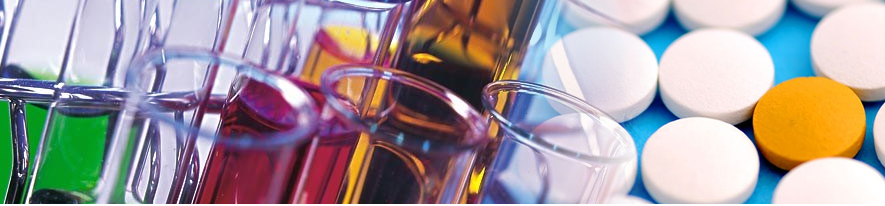
 Pharm /food raw material